
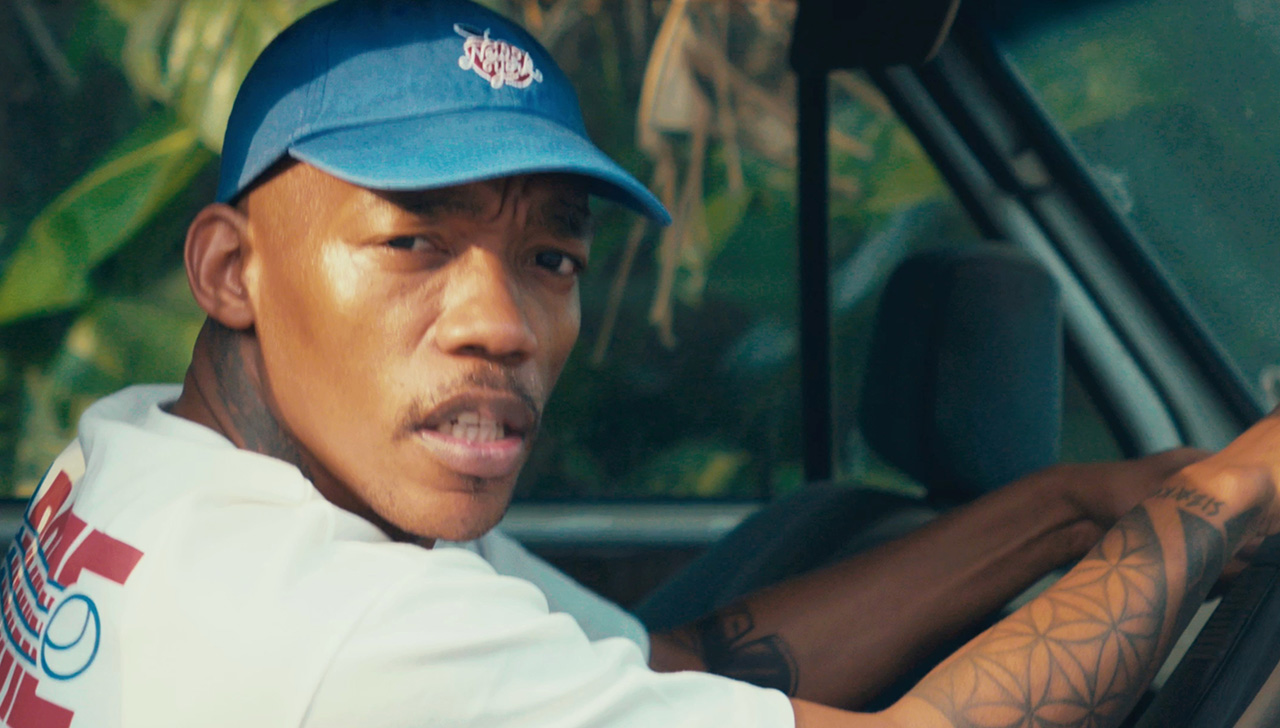
South African artist and producer Muzi is taking a deeper dive into the sounds and stories that have shaped Mzansi through Takealot’s Heritage Design Challenge.
Following the release of Electric Zululand and his latest creative chapter, Sunflower, Muzi joins Takealot to explore genres including Lekompo, Maskandi, Kwaito and Kaapstad Hip-Hop, connecting with the artists and communities who continue to carry these sounds forward.
We caught up with Muzi to talk about his current creative headspace, the sounds shaping South Africa right now, what heritage means to him and how the Takealot partnership is helping him uncover stories that cannot simply be found online.
YMZ: You’ve just released Electric Zululand and you’re now moving into your Spring single Sunflower. Where is your head creatively right now?
MUZI: Visuals. I’m currently in visual land. I’ve still got 3 videos left off Electric Zululand, so it’s still exciting to figure out ideas and see how to extend the story of those songs even more.
YMZ: There’s always been a strong sense of place in your music. What does South Africa sound like to you right now?
MUZI: I think we’ve always been super dope as creatives in this country. You can go back as far as you want and you’ll find an amazing artist. There are many artists, especially young ones, who are taking chances creatively and that’s exciting to me. It sounds bright, like artists are still hopeful and that’s cool because there’s so much culture to explore. So many untold stories still.
YMZ: With Electric Zululand, you’ve continued blending traditional South African sounds with electronic music. What were you trying to say with this album?
MUZI: The same thing I’ve always been saying, that we make world standard music, but it doesn’t have to sound like what you’re used to. You can mix things up and truly create freely, not by what the market dictates of you but by what your heart wants to say. I’ll always honour the gift first.

YMZ: You’re now exploring genres like Lekompo, Maskandi, Kwaito and Kaapstad Hip Hop through the Takealot Heritage Design Challenge. What excites you about revisiting these sounds?
MUZI: What excites me is getting these stories from the people who are actually in it, so not from some outside source. South Africans telling South African stories. Also, the learning never stops, so as a student of this music thing, I get to ask questions I couldn’t really put on Google search and that helps me in my own music career.
YMZ: Also tell us about your participation and the role you will be playing for this partnership with Takealot.
MUZI: See me like a Muzi Bourdain. I’m there to listen to their stories before I tell mine, because I truly am interested in it. These are things I used to dream about, so being able to go talk to other artists and find out about the fire that moves them is a privilege to me.
YMZ: South Africa has so many different musical identities. What have you discovered about our heritage through exploring sounds outside of your own?
MUZI: These sounds are generational. They come from very old pieces of music. Older than any recorded music, that have travelled through time and that’s why they move us so much. Song is one way we still connect to those that came before us.
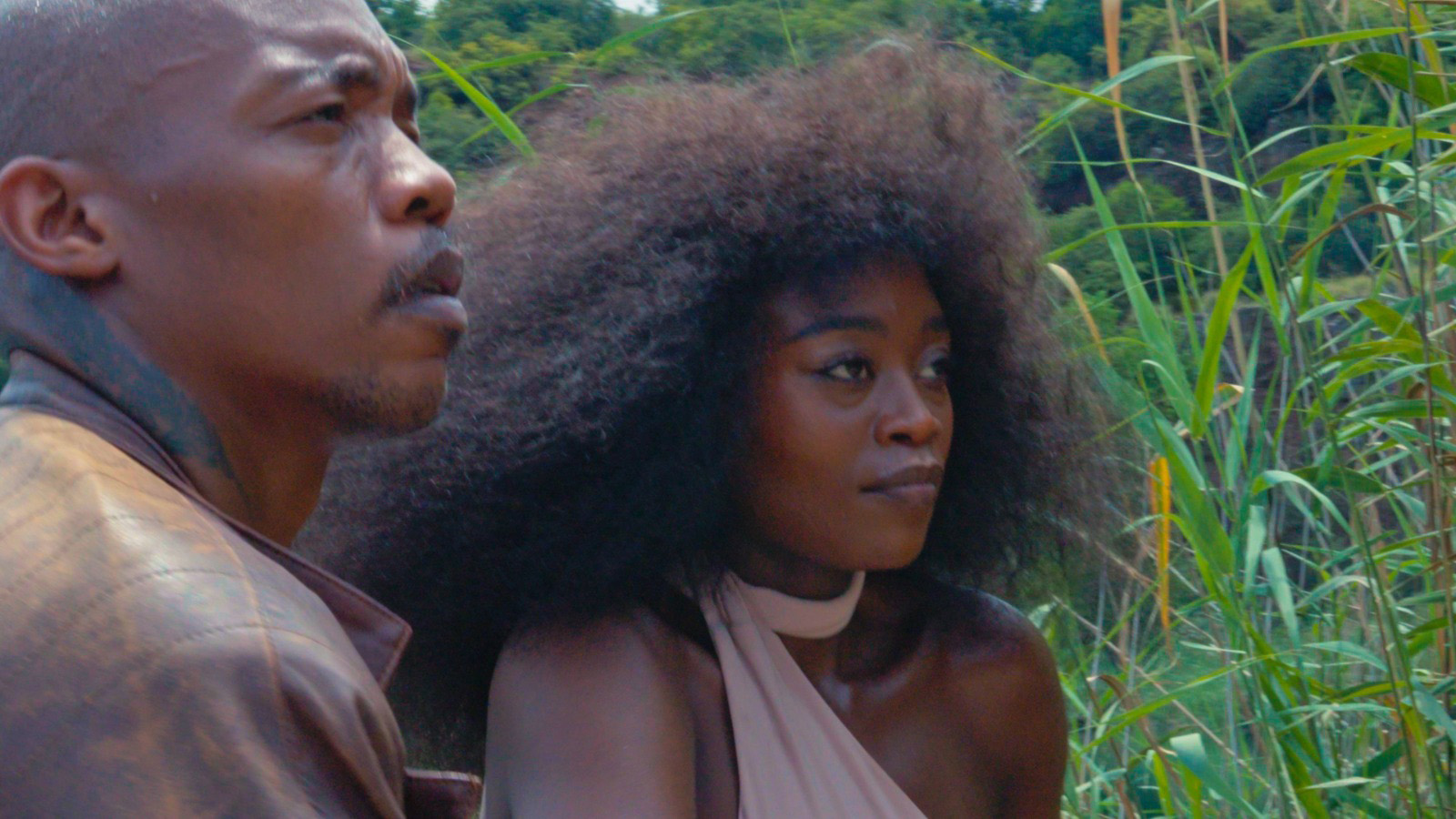
YMZ: What does heritage mean to Muzi personally?
MUZI: I see it in 2 ways. First, there’s the more cemented, rigid part of the past. Knowing the building blocks of art, music, behaviour and customs of you and your lineage. Understanding why they are there. Then the second part is the future. Heritage is also something that evolves and because times change, sometimes we keep what works and pass that on to the next generation.
YMZ: The challenge asks South Africans to interpret heritage through design. If you had to put your own heritage onto a Takealot box, what would it look or feel like?
MUZI: In every generation of my family, there’s an intense music lover. My Takealot box would be my family and I dancing in the living room. Big Technics speakers. Sofas covered in laminate plastic. It would feel like my 9th birthday party where we baked that chocolate cake ourselves with easy mix and the table had that pineapple covered with foil shandis, with the cocktail fruit skewers.
For Muzi, the partnership is about listening, learning and discovering the stories behind South Africa’s diverse musical heritage. As he puts it, he’s taking on the role of a “Muzi Bourdain”, travelling through different sounds and speaking directly to the people who live and breathe them.
Share your thoughts on this article and join the conversation on Twitter or Facebook.
The post INTERVIEW: Muzi On Music, Heritage And His Takealot Partnership appeared first on YOMZANSI. Documenting THE CULTURE.
